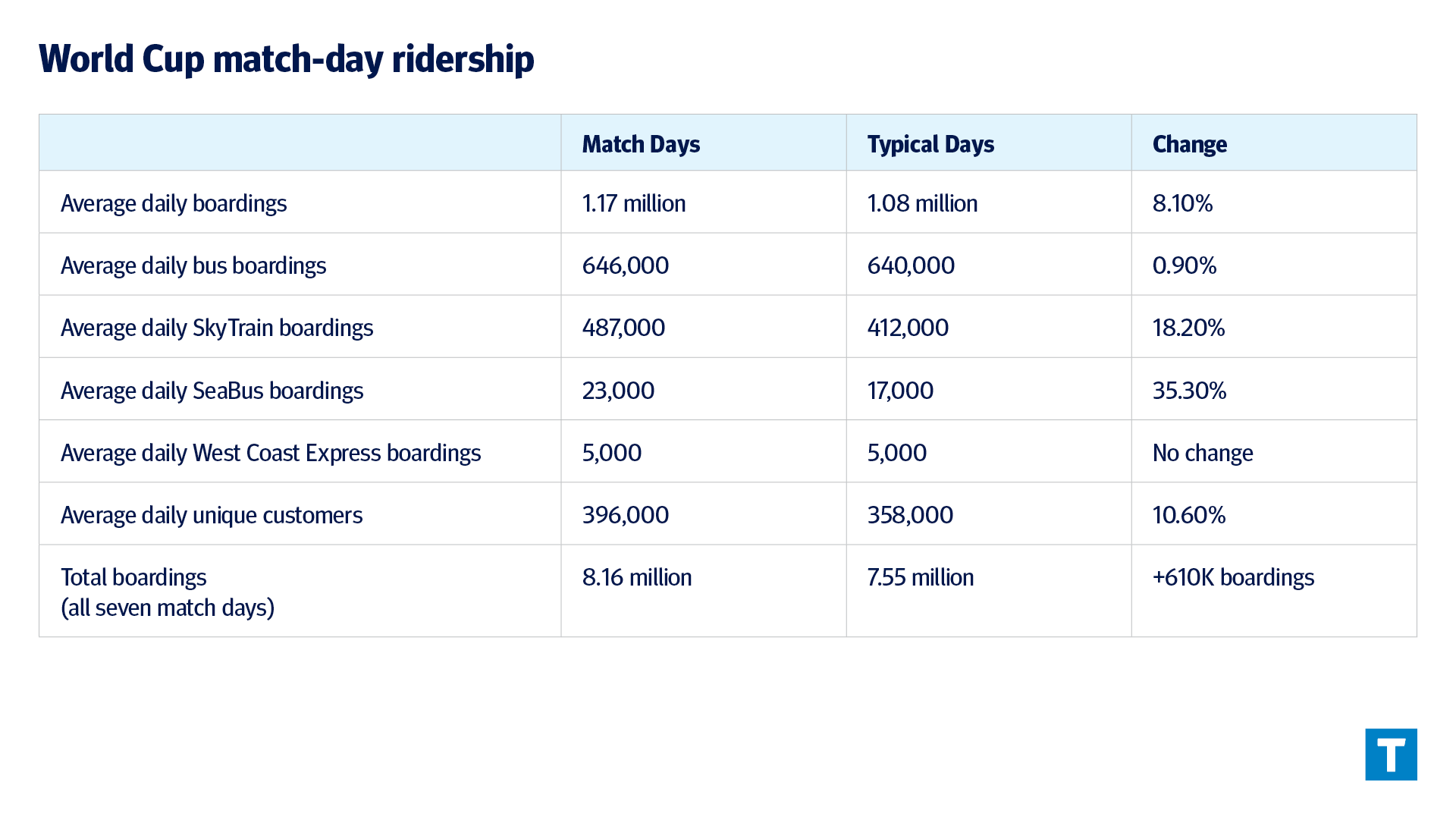


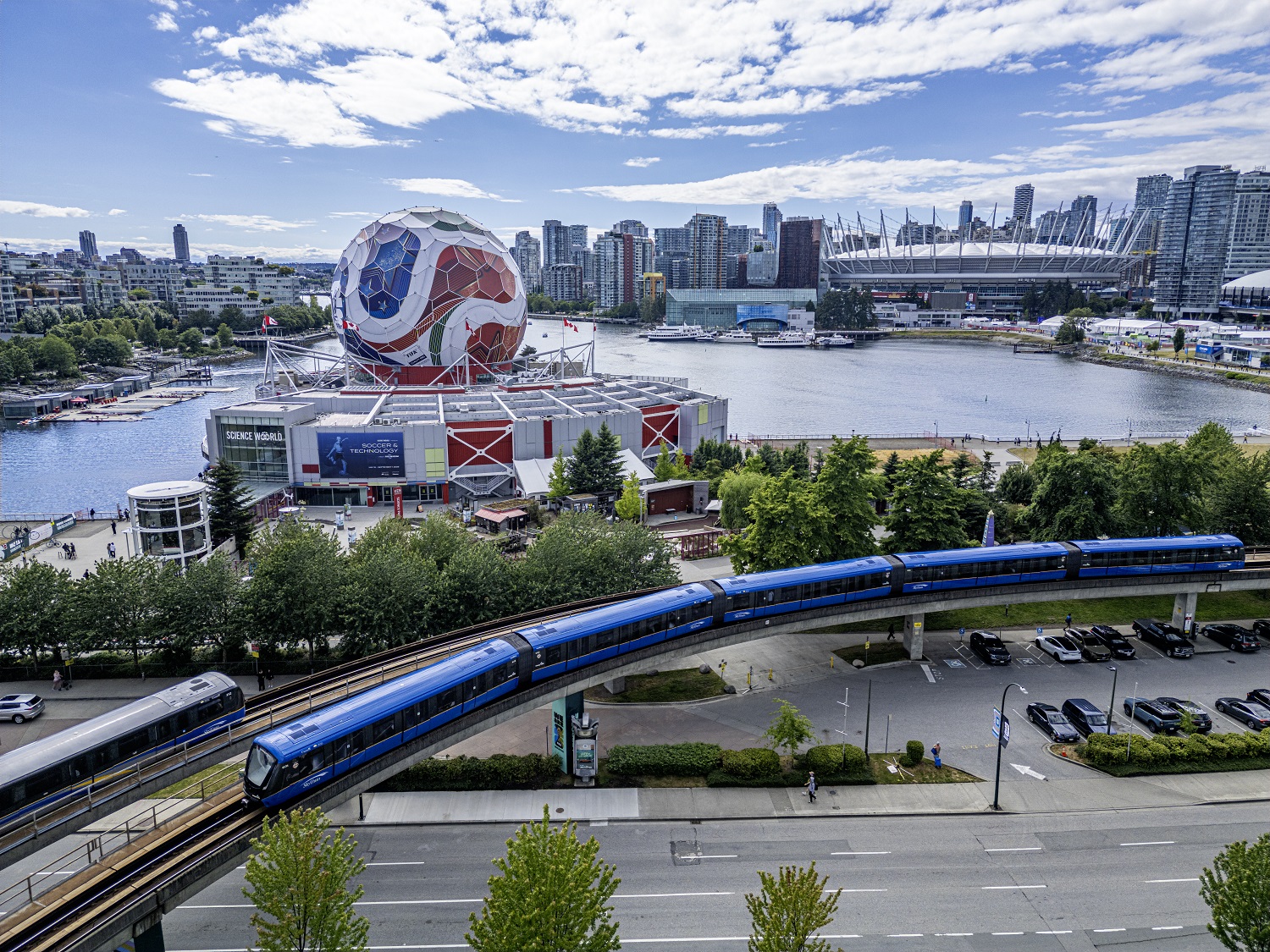
METRO Vancouver turned to transit during the FIFA World Cup, with preliminary numbers showing ridership increased by an average of 87,000 additional boardings on each of Vancouver’s seven match days. Together, those match days generated an increase of more than 600,000 transit boardings across the region.
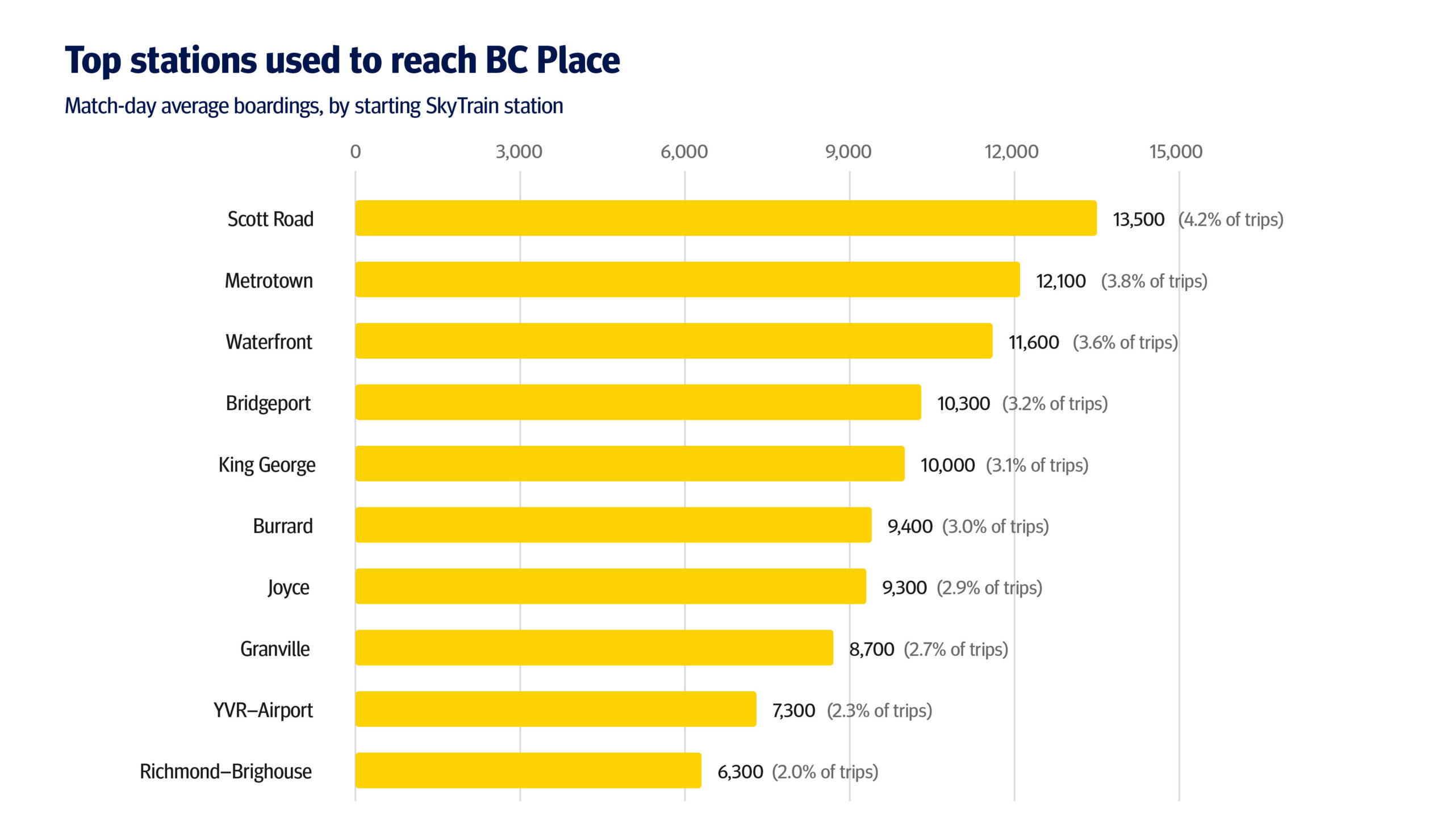
Around BC Place, the increase in ridership was even more significant on match days, with nearby SkyTrain stations seeing ridership rise by an average of 54 per cent, the highest ridership seen in the area since the 2010 Olympics.
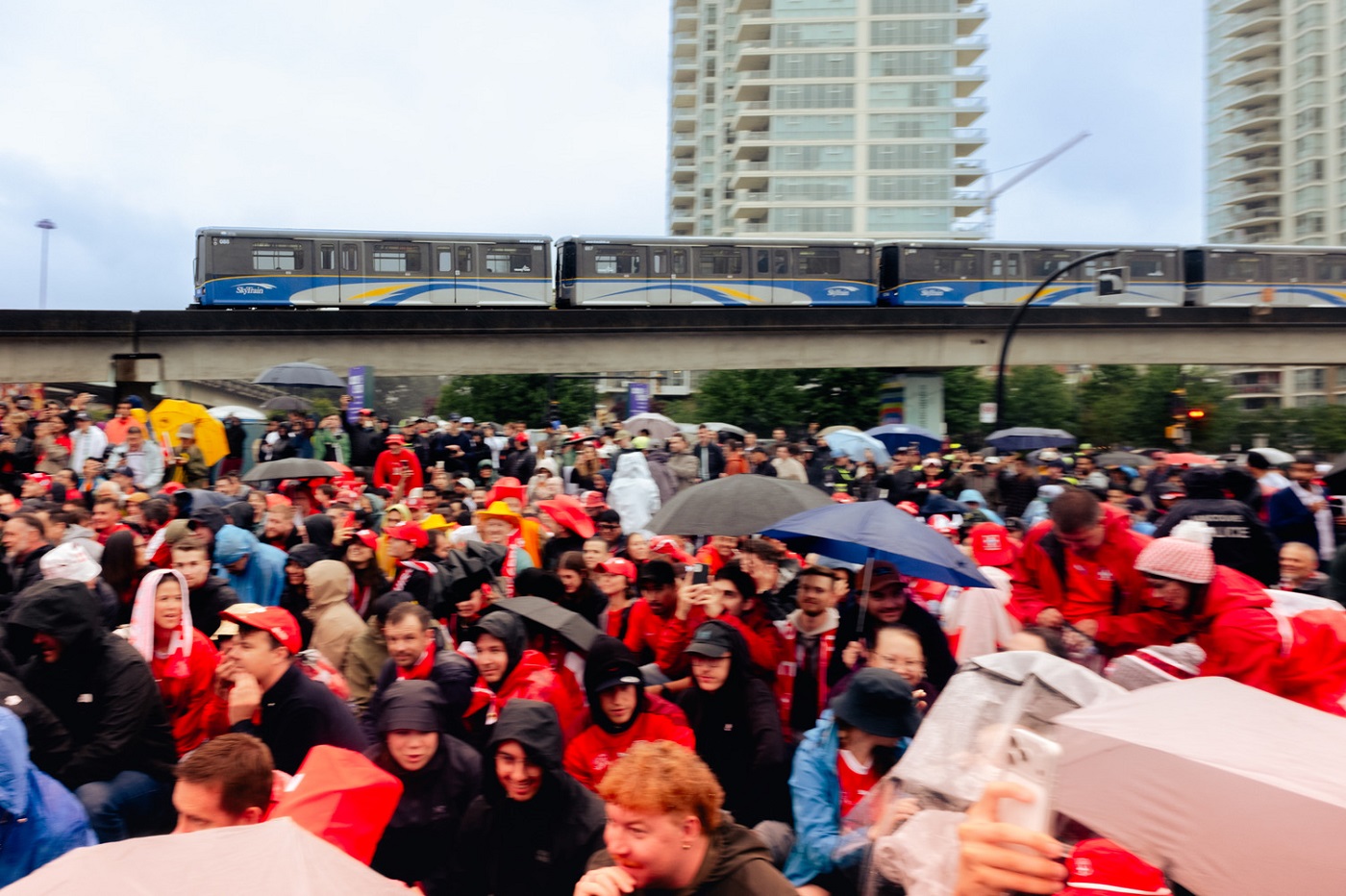
The biggest day came on June 24, when Team Canada faced Switzerland at BC Place. That day saw nearly 1.4 million boardings across the system, making it TransLink’s highest ridership day in more than six years.
During the first four weeks of FIFA World Cup activity, more than one million people used transit each week, including more than 100,000 additional people per week compared to normal levels. This shows the ridership increase was not only driven by locals who typically take transit, but also by those who don’t usually use the system, and visitors to Metro Vancouver.
Ridership was also elevated on non-match days, with approximately 44,000 additional boardings per day — demonstrating the tournament’s economic impact beyond matches and into the broader visitor experience.
“Transit was the backbone of Metro Vancouver’s World Cup experience, and each day there were thousands of employees working around the clock to move extraordinary crowds while keeping the region running,” says TransLink CEO Kevin Quinn. “They planned for nearly two years, adapted in real time, and delivered one of the strongest transit operations in our history. Their work connected people to matches, celebrations, restaurants, hotels, and destinations across the region, fueling the economy beyond the tournament.”
Despite the significant increase in customers, calls to TransLink’s Customer Information team were at their lowest level for the month of June since 2022 — and down 7.6 per cent compared with June 2025. The combination of higher ridership and fewer requests for assistance suggests customers were able to understand the travel changes, plan their trips, and navigate the system successfully during one of the largest events in the region’s history.
FIFA World Cup by the numbers:
* 600,000+ additional transit boardings during Vancouver’s seven match days.
* 87,000 more boardings on an average match day — an increase of 8.1% compared to typical days.
* More than one million people used transit each week during the first four weeks of FIFA World Cup activity.
* 100,000+ additional people used transit each week compared to what is typical.
* Nearly 1.4 million boardings on June 24, TransLink’s highest ridership day in more than six years.
* 54% increase in ridership at SkyTrain stations around BC Place on match days.
* 18% increase in SkyTrain ridership systemwide on match days.
* 13% ridership increase on match days with good weather.
* 4.2% increase in ridership on non-match days.
* 7.6% decrease in Customer Information call volumes compared to last year.
* 3,800+ items were turned into the Lost Property office in June, an increase of more than 500 compared to the same month last year.
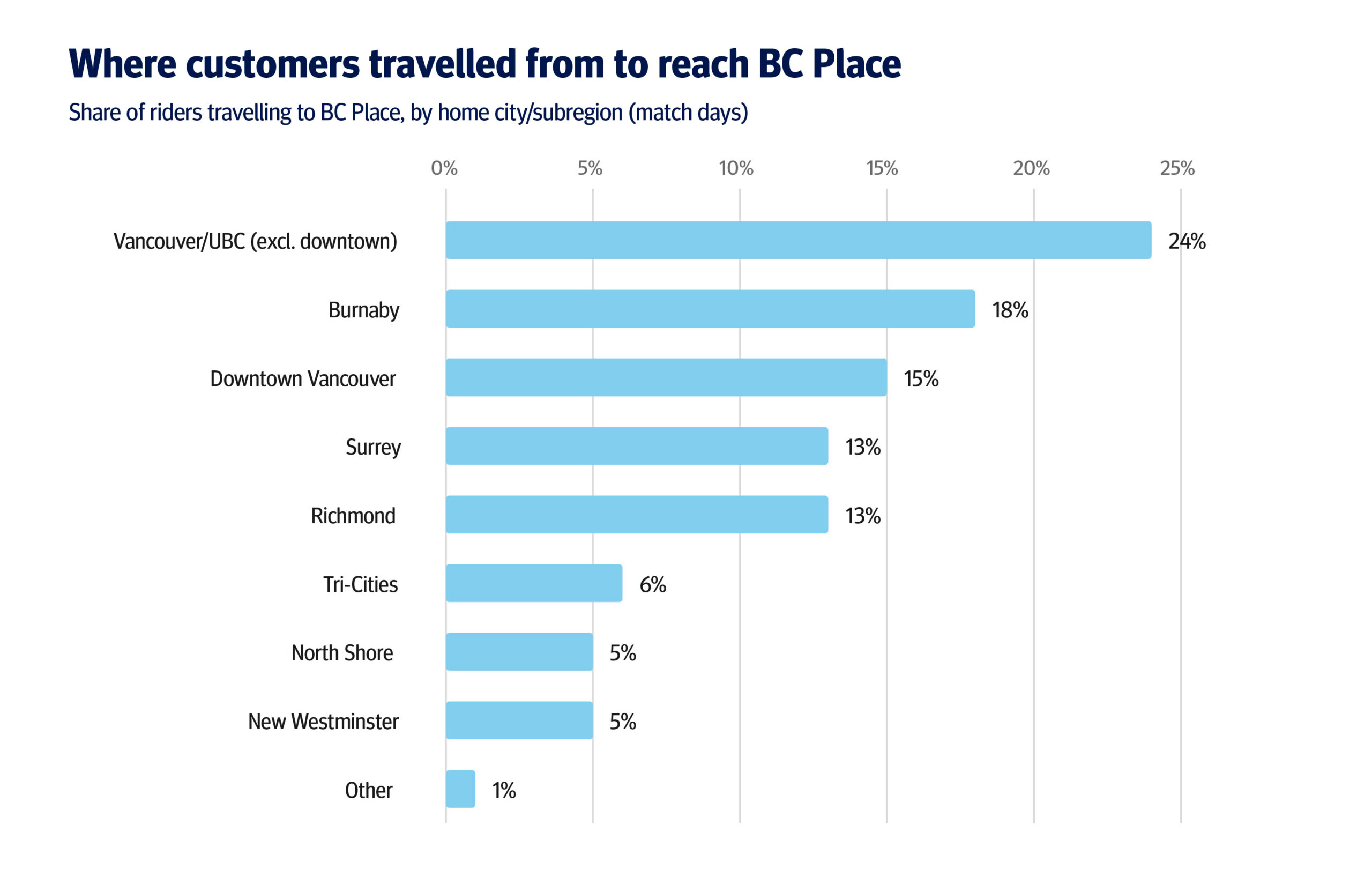
SkyTrain data also shows customers travelled to BC Place from across the region in the four hours before each match. Excluding downtown, Vancouver and UBC accounted for 24 per cent of trips to the stadium district, followed by Burnaby at 18 per cent, Surrey and Richmond at 13 per cent each, the Tri-Cities at six per cent, and the North Shore and New Westminster at five per cent each.
TransLink increased service across the network throughout the tournament to support match crowds and regular customers. This included 600 additional daily bus trips, two new bus routes, maximized SkyTrain service on match days, extra SeaBus sailings, special weekend West Coast Express trips, and frontline staff deployed throughout the system to support customers.
One lasting benefit from the tournament is TransLink’s partnership with Transit app. Free premium access to Transit Royale will remain available for Metro Vancouver riders after the tournament, giving customers continued access to enhanced real-time information, trip planning, and unlimited departure schedules.
TransLink says these results show why transit investment matters, especially during major events. Extra service, planning, staffing, and customer information helped Metro Vancouver manage one of the largest travel demands in its history, while reducing pressure on roads, supporting local businesses, and helping residents and visitors take part in events across the region.
TransLink tournament data: