B.C. is moving forward with changes to the Controlled Alien Species Regulation (CASR) under the Wildlife Act that ban the breeding, transport and future ownership of all non-native and non-domestic cats, effective Friday, May 1.
The changes expand the regulation to include all non-native and non-domestic cat species not previously captured by CASR, strengthening protections for public safety, animal welfare and ecosystems.
Exotic cat owners will have one year to apply for a free permit to keep their existing pets for the remainder of the animals’ lives.
The government says that non-native cat species can pose risks to public safety, pets and wildlife and often can not be safely or humanely cared for in private homes. Exotic cats are skilled hunters and, if they escape or are released, can hunt and kill native wildlife, such as birds, small mammals and reptiles, putting additional pressure on already vulnerable species.
They can also damage sensitive habitats by disturbing vegetation, nesting areas and other critical wildlife spaces.
New species being designated as controlled alien species include:
* servals
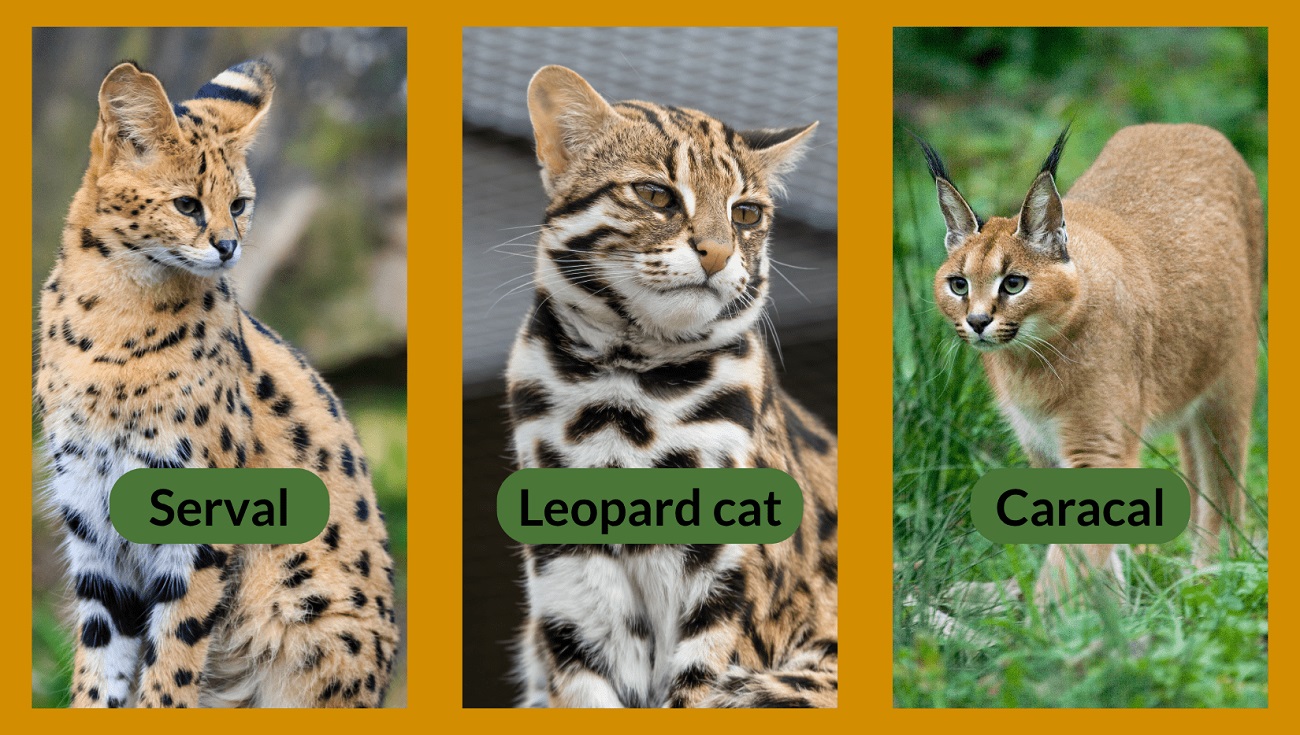
* caracals
* ocelots
* European and African wildcats
* Asian golden cats
* fishing cats
* jungle cats
* marbled cats
* hybrid cats within four generations.
Large exotic cats, such as lions, tigers, jaguars, leopards and cheetahs, are already regulated under CASR in B.C.
Recognized domestic hybrid breeds, such as Savannah, Bengal and Chausie cats, are not included and may continue to be kept as pets without a permit. However, hybrid cats that are not part of a recognized domestic hybrid breed and have a wild ancestor within four generations are considered controlled alien species and require a permit under these changes.
Owners must apply for a permit to keep, transport or ship their existing pets listed in the new changes before May 1, 2027. People who do not apply for a permit within the one-year grace period risk being denied a permit and may be subject to penalties under the Wildlife Act.
There is no fee to apply for a permit. To qualify, existing owners will be asked to:
* provide proof of identification (microchip or tattoo) and sterilization
* meet basic care and safety requirements, including secure and proper enclosures
In addition to not breeding or buying new exotic cats, permit holders must agree to restrict public contact with their animals. Cats may not be displayed or allowed to interact with people outside the owner’s household.
Provincial staff will work with pet owners and animal welfare organizations to help existing owners come into compliance.
The Province first signalled these changes in July 2025 and invited feedback from people in B.C. More than 3,000 responses were received in support of the proposal, including from animal-welfare organizations such as the BC SPCA.
This action is part of B.C.’s work to protect biodiversity, support animal welfare and reduce risks from invasive and controlled alien species.
Starting Friday, May 1, 2026 at 4 p.m., people can apply for a free permit at: https://submit.digital.gov.bc.
All questions regarding these changes and permit applications can be directed to controlledalienspecies@gov.bc.
Quick Facts:
* Alien species are animal species that are not native to B.C. and are therefore not considered wildlife under the Wildlife Act.
* Approximately 1,200 species are designated as controlled alien species in B.C.
* The breeding, sale and acquisition of large exotic cat species such as lions, tigers, jaguars, leopards and cheetahs was banned in April 2010.
* Violating CASR can result in significant penalties, including fines from $2,500 up to $250,000 or imprisonment.
Learn More:
* For more information about controlled alien species in B.C., visit: https://www2.gov.bc.ca/gov/
BACKGROUNDER
Understanding how hybrid cats, recognized domestic hybrid breeds are regulated
Hybrid cats are created by breeding wild and domestic cats
Hybrid cats are bred by crossing non-native or non-domestic (wild) cat species with domestic cats. These hybrids may retain physical and behavioural traits from their wild ancestors.
A cat is considered a non-domestic hybrid if it has a wild ancestor within four generations of its lineage and is not part of a recognized domestic hybrid breed.
Under these new regulatory changes, hybrid cats are classified as controlled alien species and regulated under the Controlled Alien Species Regulation (CASR).
What “within four generations” means
A cat is considered a regulated hybrid if any of its parents (first generation), grandparents (second generation), great-grandparents (third generation) or great-great-grandparents (fourth generation) were a wild cat species. If the wild ancestry falls within those four generations, the cat is subject to permit requirements and breeding restrictions under the CASR.
Examples of commonly recognized hybrid breeds
In B.C., there are three hybrid breeds recognized as domesticated due to more distant wild ancestry, with at least five generations removed from a wild ancestor. These include:
* Savannah cats – bred from African servals and domestic cats
* Bengal cats – bred from Asian leopard cats and domestic cats
* Chausie cats – bred from jungle cats and domestic cats
Earlier generations of hybrids of African serval and domestic cat, Asian leopard cat and domestic cat, and jungle cat and domestic cat mixes are not recognized as domestic if they have a wild ancestor within four generations and are regulated as controlled alien species under CASR.
Non-recognized hybrid breeds are not considered domesticated, regardless of lineage
Breeds like caracats (bred from caracals and domestic cats) and Safari cats (bred from Geoffroy’s cats and domestic cats) are not recognized as domestic hybrid cat breeds in B.C. and are regulated under CASR as controlled alien species, even if they do not have a wild ancestor within four generations of their lineage.