SHARING the road in B.C. doesn’t just mean watching out for other drivers, it means staying alert for wildlife, too, says ICBC. Each year, thousands of animals are struck on B.C. roads, leading to damaged vehicles, serious injuries and, in the most tragic cases, fatalities.
ICBC data shows wildlife collisions are becoming more common. Between 2015 and 2024, more than 112,000 crashes involving wildlife were reported province‑wide, including 24 fatal incidents. Since 2020, collisions have increased year over year, reaching a high of 12,519 crashes in 2024, well above the decade’s yearly average of 11,600.
“As British Columbians, we share our roads with the wildlife that make this province unique,” said Niki Sharma, Attorney General. “Slowing down and driving defensively in high‑risk areas can help prevent crashes and protect both people and wildlife.”
“In B.C., wildlife is part of the landscape and part of the driving risk,” said Kathleen Nadalin, ICBC road safety manager. “As spring and summer travel picks up, drivers should expect the unexpected. By managing your speed, scanning the roadside and driving defensively you can make the difference between a close call and a serious crash with an animal.”
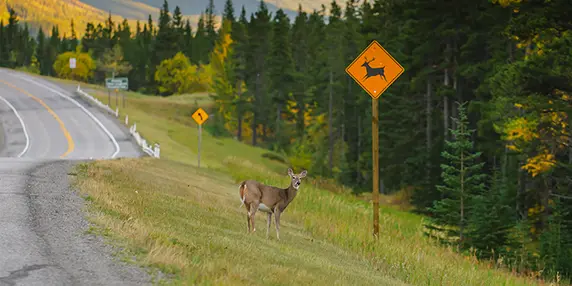
Deer are by far the most commonly struck wildlife on B.C. roads. Since 2015, they’ve been involved in nearly three out of every four wildlife collisions. In 2024, the collisions increased significantly, with over 9,400 deer strikes, accounting for 75% of all wildlife crashes province‑wide.
“May is one of the most dangerous months for deer collisions, as they’re migrating and moving more frequently across B.C.’s roads,” said Jadzia Porter, program coordinator with the Wildlife Collision Prevention Program. “With deer populations continuing to grow, the risk is increasing everywhere. When we get behind the wheel, it’s important to remember we’re travelling through wildlife habitat and places these animals depend on to survive. Slowing down and staying alert near creeks, roadside habitat and long, open stretches of road can help prevent tragedies for both people and wildlife.”
While deer account for the majority of wildlife collisions, they’re not the only animals drivers may encounter on B.C. roads. Moose, bears, elk and raccoons are the other most commonly struck animals throughout B.C.
Since 2016, ICBC has provided over $756,000 toward 19 road safety improvement projects across the province and is proud to partner with the BC Conservation Foundation’s Wildlife Collision Prevention Program, providing more than $146,000 in funding since 2012 to help reduce wildlife collisions and improve safety for both drivers and animals.
Together, we can all do our part to help prevent collisions with wildlife in B.C., says ICBC.
Safety Tips:
-
Maintain your vehicle. Ensure your headlights, signal lights, taillights and windshield wipers are clean and in good working condition. Keep your washer fluid topped up to ensure your windshield stays clear. Check your tire tread to ensure you have appropriate traction on the road. Test your horn to make sure it’s loud and clear.
-
Respect road signage. Wildlife crossing warning signs are posted for your safety. When you see a warning sign, remember that local governments place them in high-crash locations.
-
Slow down. Speed is one of the most common factors in vehicle collisions. By managing your speed you have more time to react, like steering away from an animal or coming to a stop to avoid a collision.
-
Drive defensively. Drivers and passengers should actively watch for wildlife on the road, in the ditch, on the shoulder, and in the right of way. Look for movement on or alongside the road. Watch for shining eyes (your headlights reflecting off the animal’s eyes). Flickering headlights of oncoming cars or taillights of the vehicle in front of you are indicators that an animal may be crossing the road. Watch out between dusk and dawn when it can be harder to see when there is animal activity.
-
The right mindset. Mental preparation is a useful tool. Think about and predict what you might do if an animal suddenly darted out in front of you or ran towards your vehicle. This awareness should be heightened when driving in an area with a wildlife crossing warning sign.