

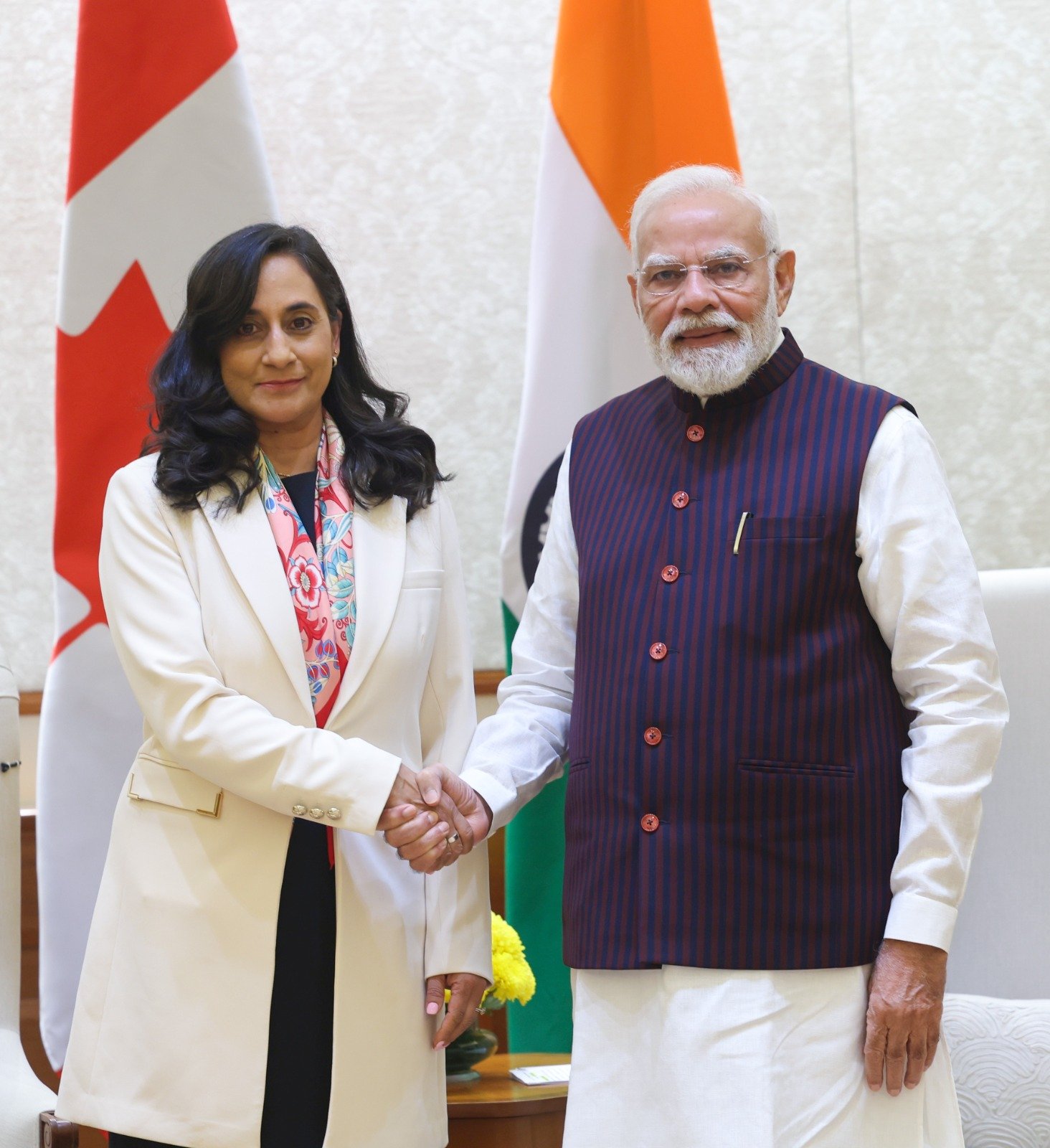
FOREIGN Affairs Minister Anita Anand, after a meeting with Indian Prime Minister Narendra Modi on Monday in New Delhi, said “building on the momentum of Prime Minister Mark Carney’s meeting with PM Modi this summer at the G7 Summit, Canada and India are elevating the relationship between our countries, while maintaining our law enforcement and security dialogue and expanding our economic relationship.”
Later, after a meeting with Indian External Affairs Minister Dr. Subrahmanyam Jaishankar, Anand said that they “agreed on a joint work plan to elevate the relationship between our countries,” adding: “We are pursuing a constructive and balanced partnership grounded in our ongoing law enforcement dialogue and growing economic partnership opportunities including in the areas of energy, trade and AI.”
In a joint statement, the two ministers said: “In keeping with the priorities that the Prime Ministers of India and Canada had set out for bringing momentum to the relationship, both sides, based on mutual respect for shared democratic values, the rule of law, and a commitment to upholding the principles of sovereignty and territorial integrity, reached consensus on a New Roadmap for Canada-India relations.
“The Ministers recognized that in the context of ongoing global economic uncertainty and rising geopolitical tensions, a strong and resilient Canada-India bilateral relationship is essential. Reviving this partnership will not only create opportunities for enhanced economic cooperation but also help mitigate vulnerabilities arising from shifting global alliances, ensure more reliable supply chains, and reinforce strategic stability in an increasingly complex international environment.
“The Ministers noted with satisfaction the substantial increase in bilateral trade, which reached $23.66 billion in 2024; and the expanding presence of Indian and Canadian enterprises in each other’s markets, generating jobs with significant potential for future growth. They also acknowledged the important role played by Canadian provinces, six of which maintain representation in India, and by Indian states in advancing mutually beneficial economic cooperation. The Ministers agreed to work closely together and instructed their respective teams to initiate necessary steps to implement the agreed roadmap.
“Affirming trade as a cornerstone of bilateral economic growth and resilience, and acknowledging the growing opportunities in goods, services, and investment, both sides agreed that early initiatives in trade cooperation will include:
- Commencing, at an early date, ministerial-level discussions on bilateral trade and investment informed by today’s economic realities and each country’s strategic priorities.
- Resuming the Canada–India CEO Forum, which will bring together leading business executives from both countries to identify concrete, actionable recommendations for both governments to facilitate increased bilateral trade and investment, with a focus on priority sectors such as clean technology, infrastructure, agri-food, and digital innovation. The Forum will convene on the margins of a senior-level trade mission in early 2026.
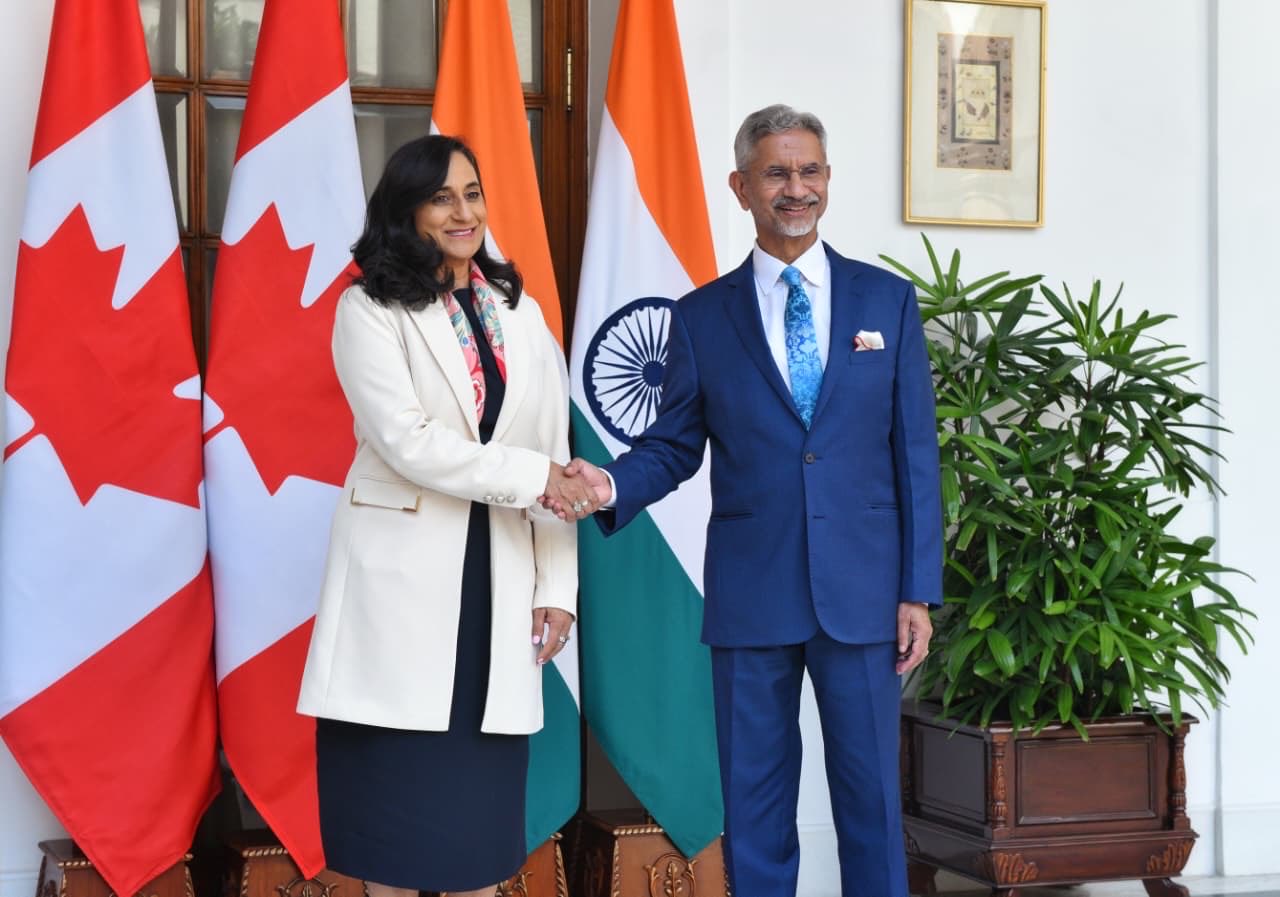
Photo: X
“Recognizing their shared vision of a sustainable future and underscoring the importance of collective action in addressing climate change, biodiversity loss, and pollution, both sides agreed to:
- Increase bilateral cooperation on climate action, environmental protection and conservation.
- Collaborate, exchange information and expertise and support respective climate ambitions in a wide range of areas, including renewable energy capacity, decarbonizing heavy industries, reducing plastic pollution, supporting the sound management of chemicals, and ensuring sustainable consumption.
- Support joint climate and environmental goals by finding effective, long-term solutions that will also provide opportunities to advance economic growth and job creation.
“Acknowledging the pivotal role of energy transformation in meeting climate goals, enhancing energy security, and supporting sustainable economic development, the two sides reaffirmed their intention to support sector activities and deepen cooperation in advancing clean, secure, and equitable energy collaboration through the following activities:
- Re-establish the Canada-India Ministerial Energy Dialogue, including the related Action Plan at the earliest.
- Promote two-way trade for LNG & LPG and investment in oil and gas Exploration & Production sector, including clean technologies.
- Collaborate on sustainable low-carbon fuels and technologies, such as green hydrogen, biofuels, Carbon Capture Utilization and Storage and electric mobility—as well as strengthen supply chains, policy frameworks, and market access.
- Exchange best practices on electricity system management to enhance grid safety, stability, and renewable integration.
- Work together on emission reduction, environmental management, power sector digitalization, and disaster resilience.
- Advance global energy efficiency process, including through multilateral fora such as the G20.
- Promote dialogue among government, industry, and thinktanks to identify how Canada’s mining expertise can provide India with critical minerals needed for energy security.
- Welcome and appreciate ongoing discussions in civil nuclear cooperation in support of clean energy transitions.
- Welcome discussions between India’s Department of Atomic Energy and Canadian uranium suppliers, from the standpoint of existing and proposed new mines.
- Hold the first Critical Minerals Annual Dialogue on the margins of the Prospectors and Developers Association Conference in Toronto in March 2026.
“Appreciating the role of innovation and technology in driving inclusive growth and global competitiveness, both sides agreed to deepen collaboration to unlock new frontiers in S&T including AI and digital infrastructure. Early initiatives will include:
- Relaunch the Joint Science and Technology Cooperation Committee.
- Foster mutually beneficial partnerships to expand access to AI for everyone.
- Encourage Canadian AI companies and researchers to participate in India’s forthcoming AI Impact Summit from February 19 to 20, 2026.
- Explore opportunities for cooperation in digital public infrastructure.
“Recognizing the importance of deepening collaboration in the agricultural sector to promote food security, enhance trade and productivity, increase farmers’ incomes, and support the long-term sustainability of the sector, both sides agreed to focus on:
- Developing stable and sustainable supply chains, improving agri-value chains through the exchange of best practices and technological cooperation, enhancing nutritional security, promoting recycling of agri-waste into energy and organic fertilizers, and advancing innovation in climate-resilient agriculture and food systems
“Noting with satisfaction that people-to-people linkages are central to fostering mutual understanding and building long-term collaboration, both sides agreed to strengthen cooperation in education, tourism, cultural exchange, and professional mobility. Early initiatives in this regard will include:
- Refreshed collaboration in higher education and research to reflect the increasingly deep talent pools and cutting-edge research in each country.
- Emphasis on research partnerships in emerging technologies (such as AI, cybersecurity, and fintech), and to expand Canadian academic presence in India through overseas campuses.
- Revitalized Joint Working Group on Higher Education as a means to further expand Canada–India academic networks and institutional ties.
“To this end, the Ministers agreed that their High Commissions and Consulates will strengthen institutional capacity by progressively deploying expertise in the economic, political, defence, and technology domains to deliver on the shared ambitious agenda. These efforts will contribute to rebuilding trust and deepening cooperation between the two countries.
“As the bilateral relationship intensifies and deepens, both Ministers pledged to expand collaboration on global issues, including working to ensure more effective, and inclusive multilateral institutions.”
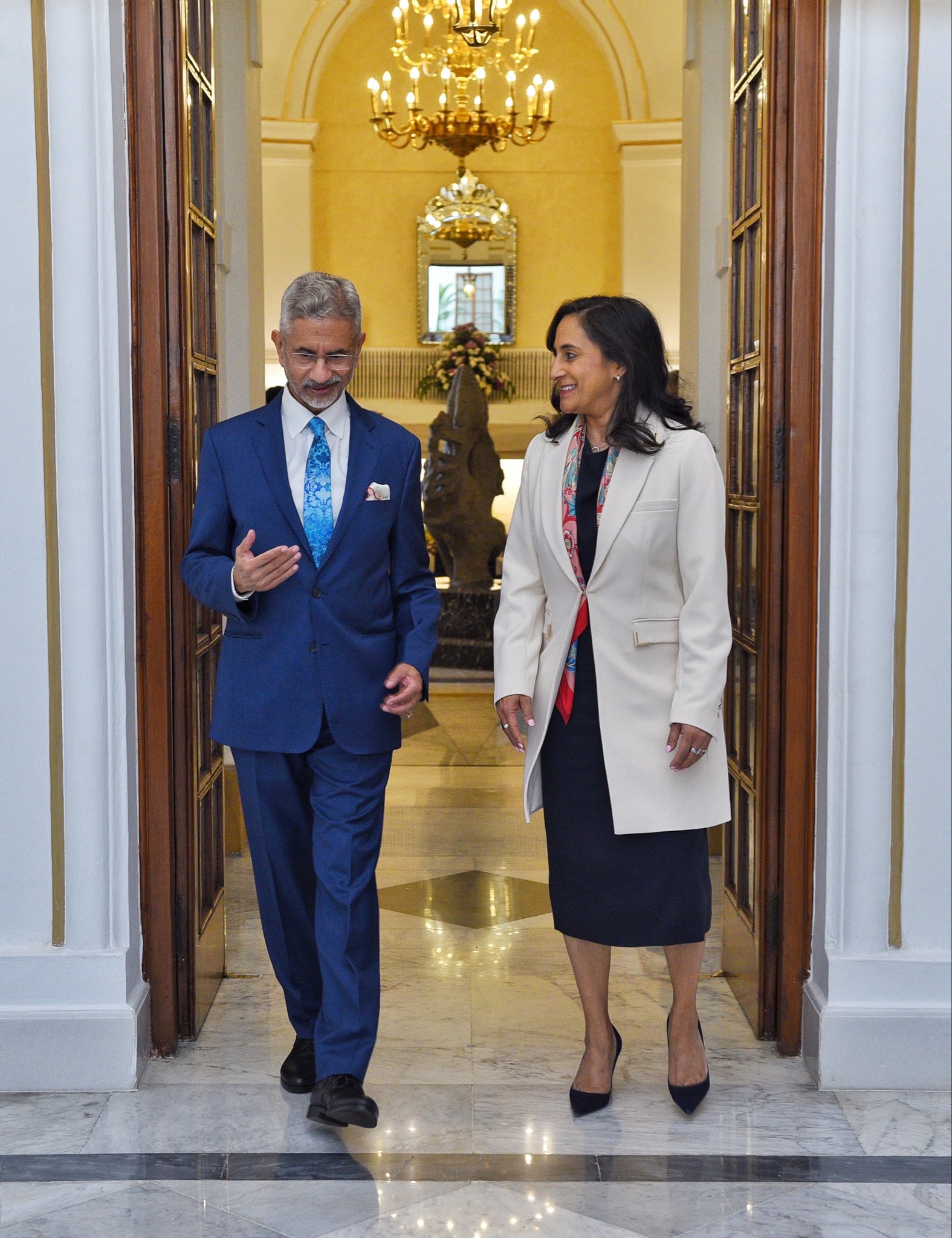
MEANWHILE, Anand told The Times of India in an interview that “Canada is taking every step necessary to ensure the safety and security of Canadian citizens on Canadian soil. There is an RCMP probe that is occurring. At the same time, we are having in place law enforcement dialogue with India and that is a dialogue that is ongoing. My deputy minister David Morrison, as well as Nathalie Drouin (national security and intelligence advisor), were here in India just a few weeks ago to continue that conversation with India. It’s ongoing. It’s based on a cooperative view that law enforcement is an important issue and that’s why it is mentioned … in the joint statement.”
She told the newspaper: “The purpose of the law enforcement dialogue is to ensure that each country is able to put its concerns on the table so that they are addressed by the other country. … First, regardless of political views, sovereignty and the rule of law are going to be paramount in Canada in terms of public safety. Second, the RCMP has a responsibility to protect diplomats from all countries, and they take this job very, very seriously. Canadians have the right to feel safe and secure in our country and that is the purpose of the law enforcement dialogue that we are continuing.”
Referring to the ongoing law enforcement dialogue between officials of Canada and India, she said: “I will add that these are senior officials that are charged with ensuring that the law-enforcement concerns of each country are tabled and addressed. That will continue.”