

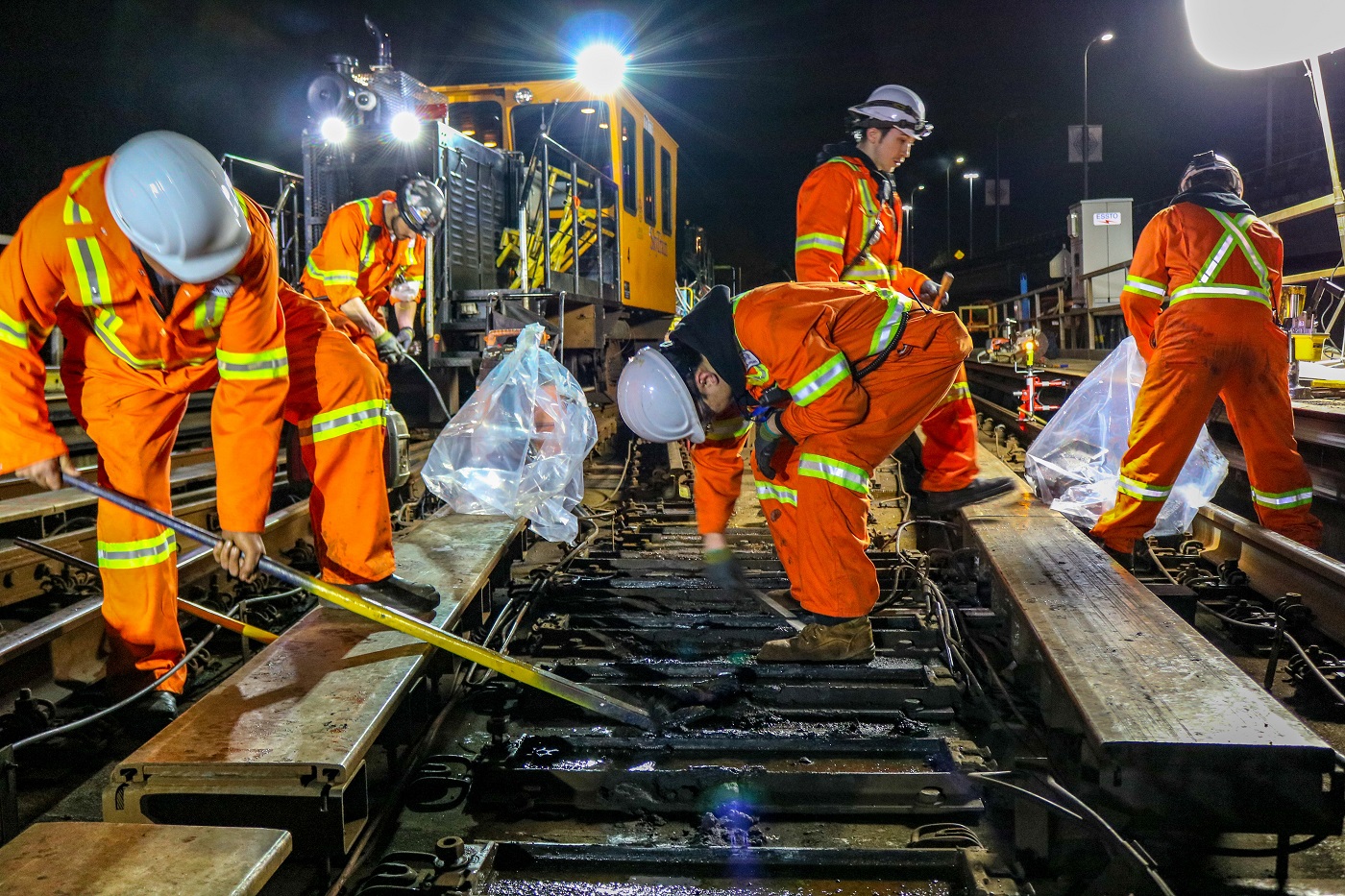
PUBLIC transit is a major driver of Canada’s economy, supporting billions in economic activity and hundreds of thousands of jobs, according to new research from the Canadian Chamber of Commerce’s Business Data Lab. The Move Canada report reinforces the critical role transportation networks like TransLink play in connecting people to opportunity and keeping regional economies strong.
The Canadian Chamber of Commerce’s research highlights the significant economic contribution of public transit across Canada:
- $65.6 billion in annual GDP supported by public transit.
- More than 500,000 jobs supported across Canada annually.
- More than $3.50 in economic output generated for every dollar spent on transit capital projects and operations.
For Metro Vancouver, the findings reinforce something that extends well beyond transit ridership: TransLink’s network is part of what makes the regional economy work. It connects workers to jobs, businesses to customers and talent, and growing communities to opportunity.
“Transit is essential economic infrastructure. It connects people to jobs, helps businesses reach the workforce they need, and keeps our region moving,” says TransLink CEO, Kevin Quinn. “Those benefits extend to everyone whether they take transit or not. Investing in reliable transit supports a stronger economy, and underinvestment carries a real cost in congestion, lost time, and missed opportunities.”
TransLink’s own economic impact research reinforces the importance of maintaining transit service locally. A 2024 study found that significant service reductions would increase annual household costs by up to $1,000 and increase congestion by up to 20 per cent across Metro Vancouver.
TransLink says its role extends beyond public transit. Through investments in the Major Road Network and regional bridges, TransLink also helps support the movement of people and goods that businesses across Metro Vancouver depend on.
It says that as Metro Vancouver continues to grow, maintaining the transportation network people rely on today is just as important as expanding service to meet future demand. Long-term, sustainable investment in both is essential to keeping the region competitive, supporting businesses and connecting people to opportunity.