WITH the Victoria Day long weekend just days away and many people planning trips across B.C., ICBC and BC Highway Patrol are working together to warn drivers about the risks of speeding.
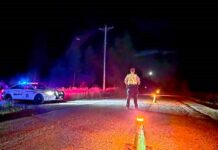
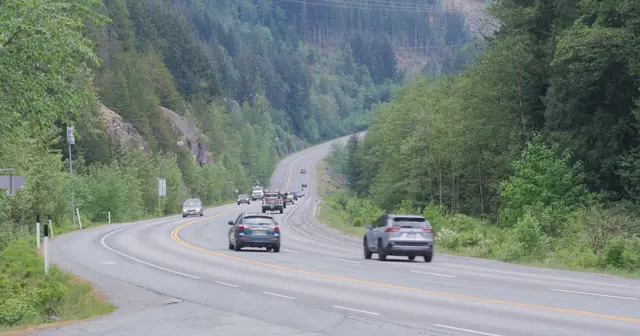
Newly captured B-roll footage shows active police enforcement on a busy corridor, with officers pulling away to pursue speeders, flagging drivers down and using laser radar. It also includes interviews with BC Highway Patrol and ICBC.
Police will be visible throughout B.C. this long weekend with increased enforcement focused on excessive speeding and other high-risk driving behaviours to keep our roads safe for everyone. Last Victoria Day long weekend, police issued more than 2,800 speeding tickets throughout the province.
“Slowing down is the simplest way you can stay safe and avoid a crash,” said Kathleen Nadalin, ICBC road safety manager. “It gives you more time and control to react if something unexpected happens. This long weekend, slow down, stay focused and give yourself extra travel time so we can all enjoy a safe long weekend.”
Speed is a top contributing factor in crashes over the Victoria Day long weekend, with an average of three people killed and 536 people injured in crashes in B.C. in every year.
“Speeding doesn’t just increase the likelihood of a crash — it increases how severe that crash will be,” said Cpl. Michael McLaughlin, BC Highway Patrol. “That’s why officers will be highly visible this long weekend targeting drivers travelling at dangerous speeds, particularly on busy travel routes where speeding puts everyone’s lives at risk.”
ICBC works with communities, law enforcement and other partners to improve road safety for all road users in B.C. Every year, it invests $50 million to make B.C. roads safer – from education campaigns and initiatives to road improvements and intersection safety cameras.
Tips for a safe long weekend:
-
Plan your route and check road conditions at DriveBC.ca. Plan extra travel time so you don’t feel tempted to speed.
-
Drive within the speed limit and slow down and increase your following distance if road and weather conditions aren’t ideal.
-
Look carefully for motorcyclists, cyclists and pedestrians, especially at intersections and when turning.
-
Pack an emergency kit and check your vehicle before heading out. Make sure your tires have adequate tread, the oil level and condition are good, washer fluid is topped up and your lights and turn signals are working properly.
-
Let faster drivers pass safely. Drive in the right lane on highways, except when passing.
-
Put your phone away and avoid distractions that take your focus off the road.