

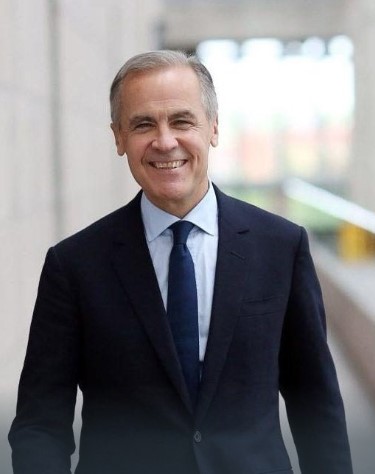
“Today, we remember the 14 young women whose lives were stolen at Polytechnique Montréal 36 years ago. Their names, and the promise of the futures they never had the chance to live, remain a solemn reminder of the devastating toll of gender-based violence.
“The horror of December 6, 1989, was an attack on women and the values of equality, dignity, and respect that define who we are as Canadians. It compels us, year after year, to confront gender-based violence wherever it persists and to match remembrance with responsibility.
“To that end, our government is taking concrete actions to protect Canadians from gun violence, including gender-based violence, in communities across the country. We are working to reinforce firearms restrictions for individuals who engage in violence against intimate partners or family members. We are restricting conditional sentences for those convicted of sexual assault – ensuring these offenders serve their sentence behind bars, not out in the community. We have invested in efforts to raise awareness about ‘red flag’ laws to help protect people from gun violence, including gender-based violence, and we are providing stable, ongoing funding of $660.5 million over five years to ensure sustained progress toward equality and safety for women and girls.
“Through the National Action Plan to End Gender-Based Violence, we are working with provinces and territories to support victims and strengthen violence prevention, tailored to the specific needs of each jurisdiction. We are also moving forward on responding to the Calls for Justice from the National Inquiry into Missing and Murdered Indigenous Women and Girls. There remains much more to do, and our government will remain relentlessly focused on preventing gender-based violence and supporting the victims of these crimes.
“As we mark the National Day of Remembrance and Action on Violence Against Women, we honour the victims of Polytechnique Montréal and all those whose lives have been changed forever by gender-based violence. We reaffirm our responsibility – as a government and as a country – to build a safer, stronger Canada for everyone.”

PREMIER David Eby said:
“On this day in 1989, 14 young Montreal women were murdered for one reason: They were women.
“Most of the victims of the École Polytechnique massacre were students at the school, studying in male-dominated engineering fields. They were smart, hard-working and ambitious. They had their whole lives ahead of them. One violent act of hate stole so much from so many: the holidays, graduation, rewarding careers and future families.
“Today, we remember and honour those women. We stand with the survivors of this senseless attack, many of whom have physical and psychological injuries that last a lifetime. And we grieve with the families and friends who lost a loved one on that dark day.
“Thirty-six years after the Montreal massacre, misogyny and violence against women remain deeply rooted in our society. In the past year, there have been several horrific attacks in B.C. that remind us how urgently we need to address this issue.
“Our government is committed to ending violence against women and ensuring survivors get the support they need.
“That work starts with prevention and it starts early. That is why we are supporting educational and awareness programs in K-12 and post-secondary schools. One of the first forms of gender-based violence that many young people experience is having their intimate images shared without their consent. This fall, we took further steps to prevent this by raising the ceiling on fines for offenders, while improving privacy protections for survivors so they feel safer coming forward.
“Our legal system plays a critical role in preventing violence against women and holding those who use violence accountable. That is why we commissioned Kim Stanton to lead an independent review into how the system responds to sexual violence and intimate-partner violence. We are responding to the recommendations in the report and will have more to say in the coming days.
“We have also successfully lobbied the federal government for bail and sentencing reform, including measures to impose stronger consequences for repeat and violent offenders and provide better protections for survivors of intimate-partner violence. Our goal is a justice system that delivers safety, dignity and justice for survivors.
“As we work to eliminate violence against women, we will always be there for survivors. That includes creating more safe housing for women fleeing violence, supporting Indigenous-led approaches and providing stable funding for more than 475 victim-service programs and violence-against-women prevention programs.
“We know there is more to do. We will continue to do that work in memory of the women we lost on December 6, 1989, and the many more since then.”
Niki Sharma, Attorney General, said: “Thirty-six years after the École Polytechnique massacre, misogynistic violence continues to devastate lives. This day reminds us why we must transform our justice system. Women deserve more than remembrance. They deserve safety, dignity and justice. Survivors have told us where the system fails and we have listened. We’re working to transform the system to ensure accountability, protection and respect. We will not stop until every woman is safe and supported.”
Jennifer Blatherwick, parliamentary secretary for gender equity, said: “Every year on Dec. 6, we remember the women whose lives were stolen by violence and we recommit to building a future where every woman and girl is safe, valued and free. Remembrance must be matched with action because mourning without change is not enough. We will continue to take action, year over year, to end violence against women, girls and gender-diverse people.”

Photo submitted
CONSERVATIVE Party Leader Pierre Poilievre said: “On December 6, 1989, fourteen young women were murdered at École Polytechnique in Montreal: a cowardly act of violence targeting female students solely because they were women. This tragedy left a profound scar on our national conscience and remains forever etched in Canada’s history, particularly in Québec.
“On this National Day of Remembrance and Action on Violence Against Women, we pause, with respect and solemnity, to honour the memory of those victims:
“Geneviève Bergeron. Hélène Colgan. Nathalie Croteau. Barbara Daigneault. Anne-Marie Edward. Maud Haviernick. Barbara Klucznik-Widajewicz. Maryse Laganière. Maryse Leclair. Anne-Marie Lemay. Sonia Pelletier. Michèle Richard. Annie St-Arneault. Annie Turcotte.
“This is not just a time to remember their names. It is a time to fight for our country’s promise: that every woman – regardless of background, profession, or circumstance – can live safely, with dignity and free from fear.
“Today we lower our flags in sorrow, and our hearts are heavy with the memory of those we’ve lost.
“Our fight against violence toward women is a moral imperative. It calls for unity, collective responsibility, and vigilance: in our workplaces, homes and communities.
“We must continue to act – with resolve and with respect – in memory of the victims, in solidarity with survivors and for the future of our daughters.”