



With Diwali and the holiday season fast approaching, many South Asian families are preparing to gather and celebrate. For families supporting someone living with dementia, however, the season can also bring added stress, emotional challenges and uncertainty. That’s why volunteers like Pravleen Hans are playing a vital role in helping families navigate dementia with sensitivity to culture, language and tradition.
Since joining the Alzheimer Society of B.C. as a volunteer, Pravleen has been a key connector between dementia support services and South Asian families. Her work involves community outreach, information sharing and helping connect families to culturally relevant programs such as Minds in Motion® and support groups offered in Punjabi. Fluent in Punjabi, Pravleen helps bridge the gap for people affected by the disease and their families who may struggle to access support, all while breaking down stigma in the community.
“I was passing out information at a Gurdwara and there were people who didn’t know dementia by name,” Pravleen recalls. “But once we started the conversation, they recognized the symptoms and were eager to learn more.”
These conversations are especially important around the holiday season, when families come together and may notice changes in a person’s memory or behaviour. The excitement of Diwali can bring challenges and changes in routine. Larger gatherings and loud celebrations can increase stress – both for someone living with the disease and for their caregivers, who need to take care of themselves to avoid burnout.
This doesn’t mean families can’t celebrate together, though – it just means a bit more planning, understanding and support. The Alzheimer Society of B.C. encourages families to approach the holidays with realistic expectations – key to a relaxing and enjoyably gathering. By connecting with their South Asian First Link® Dementia Helpline, you can learn practical tips to help make the season both meaningful and manageable – from planning smaller gatherings and minimizing changes to asking for help and sharing caregiving responsibilities.
“There’s this belief that you have to do it all on your own,” says Pravleen. “People feel like asking for help means you’ve failed to take care of your family – I don’t want it to feel this way, I want people to know there are resources.”
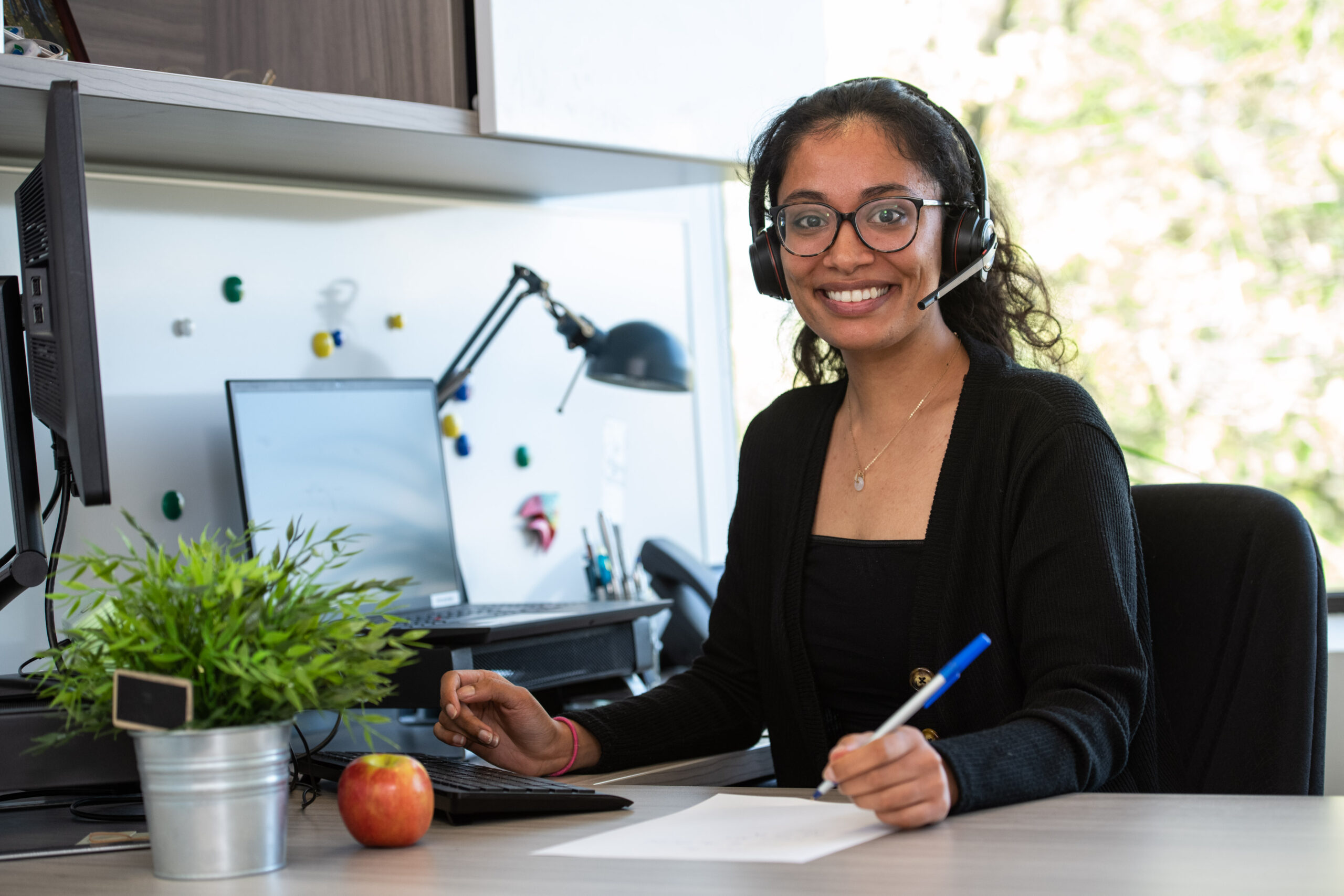
Dementia support is available through the South Asian First Link® Dementia Helpline
The Alzheimer Society of B.C.’s First Link® South Asian Dementia Helpline provides culturally appropriate dementia support, available in Punjabi, Hindi and Urdu. The Helpline is available Monday to Friday from 9 a.m. to 4 p.m. To learn more, visit alzbc.org/fldhl or call 1-833-674-5003.