

WorkSafeBC is reminding employers of their role in reducing risks to workers
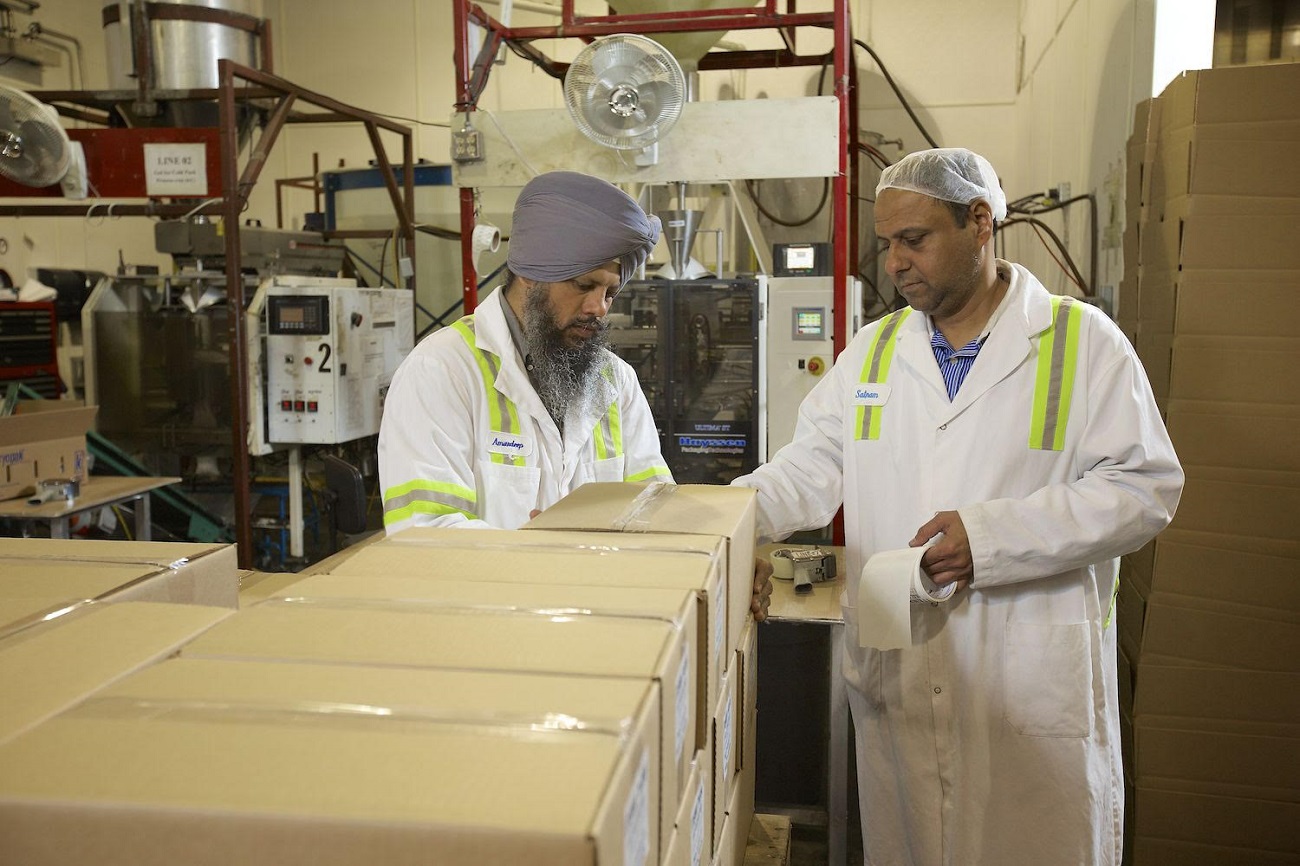
OCTOBER is known as the month to recognize the work done in manufacturing facilities across the province — from food processing to cabinet and window production to metal fabrication, textiles, and beyond. At the same time, WorkSafeBC is drawing attention to manufacturing as a high-risk industry, and the need for employers to ensure health and safety systems are in place to protect workers.
Over the past five years, the serious injury rate in manufacturing has been 44 per cent higher than the average across all industries in B.C. During that time, more than 26,000 manufacturing workers lost time from work due to injury, including over 4,300 serious injuries.
The most common types of accidents were overexertion, being struck by or against objects, falls on the same level, and getting caught in machinery or equipment.
“Preventing injuries in manufacturing requires more than awareness — employers need to proactively identify hazards and put controls in place to protect workers,” said Todd McDonald, Head of Prevention Services at WorkSafeBC. “Involving workers in this process, and ensuring ongoing training and supervision, is also critical.”
High risk hazards
Given the high risk of injury in manufacturing, WorkSafeBC conducted over 7,700 inspections in the sector last year. These inspections focused on common high-risk activities, such as working with energized or moving machinery, which can lead to workers being caught in equipment, and performing physically demanding or repetitive tasks, which increase the risk of musculoskeletal injuries.
Another concern for manufacturers is combustible dust, which can pose serious explosion and fire hazards if not properly managed. This hazard exists in wood products, plastics, food, rubber, textile, and metal manufacturing. New occupational health and safety regulations are expected to take effect as early as 2026, and will require employers to test, assess, and control dust hazards, reinforcing the importance of good housekeeping and hazard recognition.
For more information about promoting workplace safety in the manufacturing sector, visit worksafebc.com.
Resources:
WorkSafeBC.com:
- Planned Inspectional Initiative: Manufacturing
- Health and Safety Resources for the Manufacturing sector
External resources: